



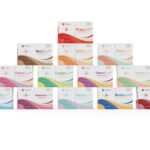
 Cell Peptide Original Series
 Fresh and Frozen Live Cell Series
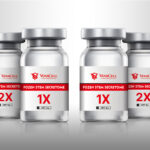 Stem Cell Exosome
Human Aging and the Mystery of Cells
The link between cellular senescence and sub-health ::
The human body is a cellular state composed of approximately 1,000 trillion cells with different physiological characteristics. As an individual grows and matures, the number of adult stem cells in the body gradually decreases, or even disappears completely in some tissues and organs. After the stem cells in the body are dried up, they can no longer make new cells. The metabolic skills of the cells are also weakened, and more and more senescent cells are produced, and the organism becomes old until it dies.
After a person grows and develops into youth, the number of adult stem cells in the organism decreases sharply, and the ratio of adult stem cells to other cells decreases to one in 100,000 to one in a million. The reason for this is that some adult stem cells apoptose under the pressure of the internal and external environment, some adult stem cells are consumed during the growth of the organism, and some adult stem cells slowly enter into a kind of functional dormant state under the regulation of genes. The decrease in the number of adult stem cells and their entry into a functional dormant state lead to the weakening of the body's reconstruction and repair functions during injury and aging. As more and more cells die, the human body slowly becomes sub-healthy.
Symptoms of severe premature aging
Biological clock disorders, metabolic disorders, endocrine disorders, overall skin aging, neurological disorders, immune system decline, overall decline in body functions, overall decline in physical fitness, rapid aging of the human body and the emergence of many terrible diseases. When the human body suffers from premature aging disease, it will trigger changes in the human body's metabolism, neuroendocrine disorders, reduced immune function, and overall decline in physical fitness, which will lead to aging phenomenon and a variety of diseases.

Symptoms of moderate premature aging
Decrease in resistance, repeated colds, fear of cold, loss of libido, stomach deficiency, kidney loss, physical decline, loss of energy, back pain, memory loss, insomnia, anorexia, urinary frequency and urgency, increased wrinkles in the skin, blemishes and pimples, gastrointestinal indigestion, accelerated aging, irritability and irritability, decreased endurance and explosive power.
Causes of human aging
Biologically speaking, aging is a spontaneous and inevitable process of living organisms with the passage of time. It is a complex natural phenomenon, which manifests itself in the degeneration of structures and functions, as well as the loss of adaptability and resistance. The internal causes of aging are the decline of human stem cells, DNA degradation, dietary and mental factors, and active aging genes.
Cell therapy is a new technology for disease treatment that has emerged in recent years
Cell therapy is a new technology of disease treatment emerging in recent years, which refers to the use of the characteristics of certain cells with specific functions, the use of bioengineering methods to obtain and/or through in vitro expansion, special culture and other treatments, so that these cells have the therapeutic effects of enhancing immunity, killing pathogens and tumor cells, promoting the regeneration of tissues and organs, and the body's recovery, so as to achieve the goal of treating the disease.
Cellular therapy, with its good efficacy, fewer side effects, more individualized, personalized and other unique advantages, provides an option, sometimes even the last choice, for the treatment of some intractable diseases.
Principle of action
As an independent living organism, cell has strong vitality, proliferation and differentiation, and functional plasticity. The mechanism of cell therapy in treating diseases is mainly divided into two categories: first, the direct action of cells, which directly apply their specific biological activities to repair damaged tissues and organs, or play a specific/non-specific killing role; and second, the indirect action of cells, such as secretion of relevant factors or active molecules to regulate the proliferation and functional activity of the patient's own cells.
Effectiveness vs. safety
Due to the antigenic nature of organ extracts and cell therapy preparations, they are not recognized as foreign substances by the immune system of the treated patient. It is a proven principle that embryonic cells circulate in the bloodstream from the point of injection until they are recognized and integrated with their organ counterparts. These organ-specific, rather than species-specific, young cells attach their vitality to the aged and weakened cells; this stimulates function, renews efficacy, and revitalizes the organ itself.