



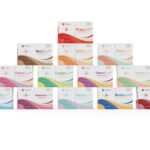
 Cell Peptide Original Series
 Fresh and Frozen Live Cell Series
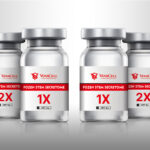 Stem Cell Exosome
Living Embryonic Cell Therapy History and Development
As early as 1931 Prof. Paul Niehans, the founder of cellular therapy, discovered that subcutaneous fresh cell injections could enhance the body's regenerative capacity. The concept of cell therapy is to stimulate cell division in diseased organs based on components of healthy organs. This means that diseased cellular structures can be regenerated by biostimulation.
As a result, a general revitalization is triggered. Signs of aging are relieved or slowed down, and the immune system is strengthened.
Recent findings suggest that molecular therapies can also help to improve degenerative diseases, such as Alzheimer's and Parkinson's, by halting the healing process and organ damage. It ranges from chronic diseases, such as asthma or rheumatism, to circulatory disorders or skin diseases.
Paul Niehans Prof. Paul Niehans has realized that the cells are not absorbed and fully installed by the body, but the cell contents release regenerative capacity in a complex way. Therefore, molecular therapy is only effective for those whose bodies are still capable of generating a regenerative response.
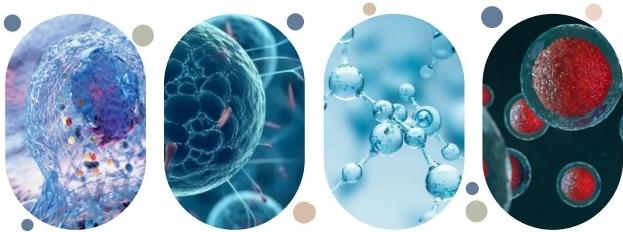
Freeze-dried cell analysis therapy
adult stem cell molecular therapy
Cellular peptide molecular therapy
Fresh Cell Molecular Therapy
(1) Placenta has a long history of use. However, this does not mean that all products applied, injected or consumed by the consumer contain the original, high-quality components of the placenta.
The average placenta manufacturer. Placenta is prepared by grinding, freeze-drying or heat treatment. All three of these production and sterilization methods cause placenta to lose its improvement potential. As a result, only amino acids are left in the finished placenta product after these processes, leaving it devoid of the biologically active ingredients it is supposed to contain. With the innovative "CELL Endogenous Cells", Raven Cells minimizes this disadvantage and preserves the active ingredients.
(2) Currently, 20 to 30 generations of animals raised in a closed system is the safest standard for the production of any cell therapy preparation. Genetic pedigree of animal origin is clearly documented (date of birth of each generation, medical data or any form of aberration is clearly documented).
It is therefore important that the source of the cellular material is not infected by any pathogenic organisms. Since 1991, Ruevan Cellular Products has explored the use of closed animal populations that are free from pathogenic organisms to ensure safety at the source.